Why great pubs become part of their communities — and what happens when that is treated carelessly.
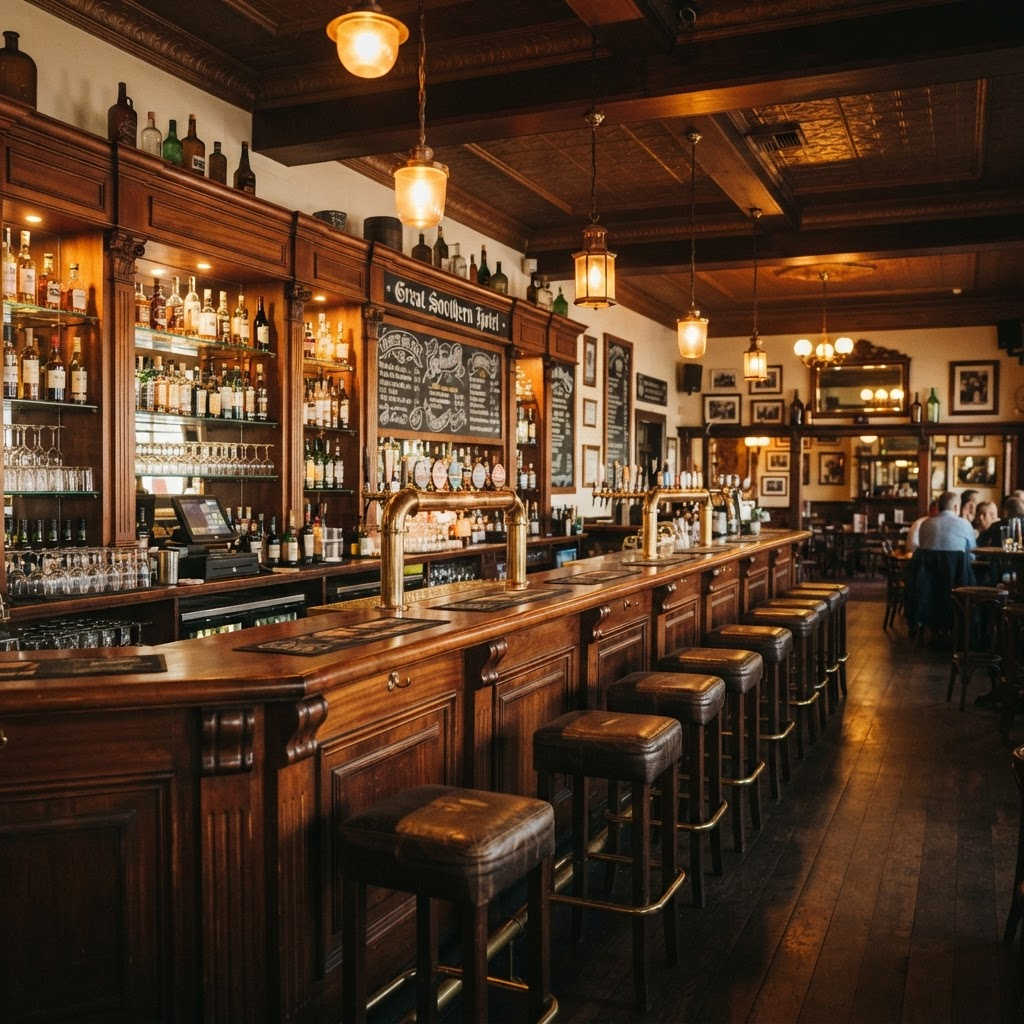
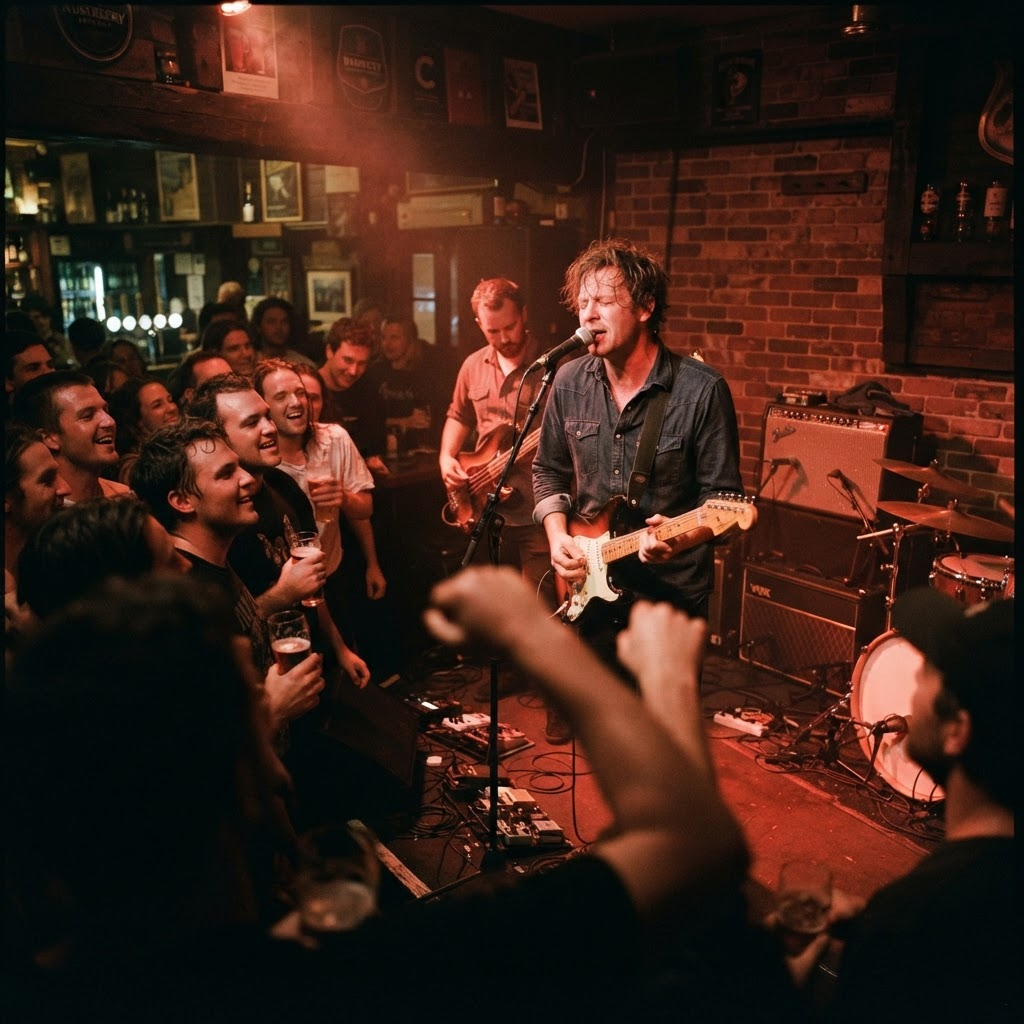
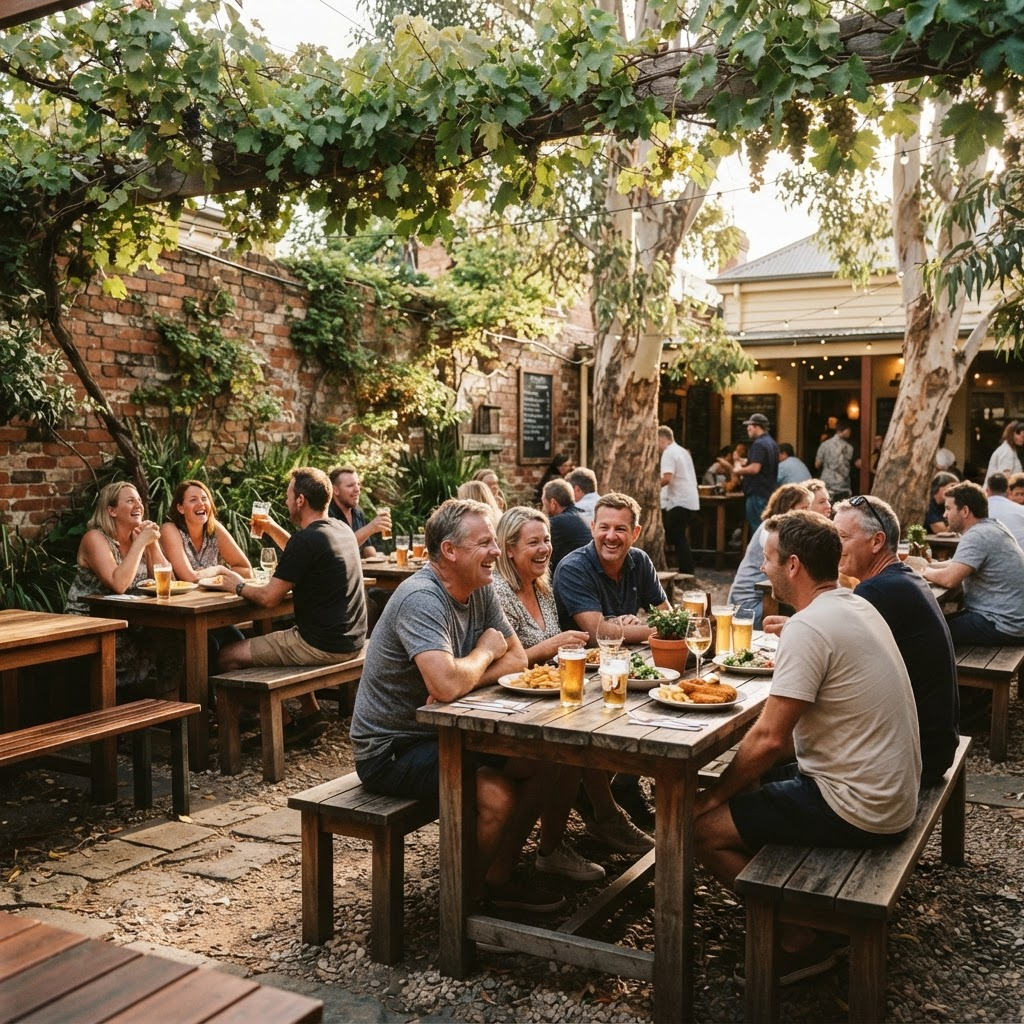
Every town and every suburb has one. The pub where the football team drinks, where the wake was held, where someone met someone. It rarely has the best fit-out or the cleverest menu. What it has is history — and a room full of people who feel some ownership over it.
Institutions are built slowly
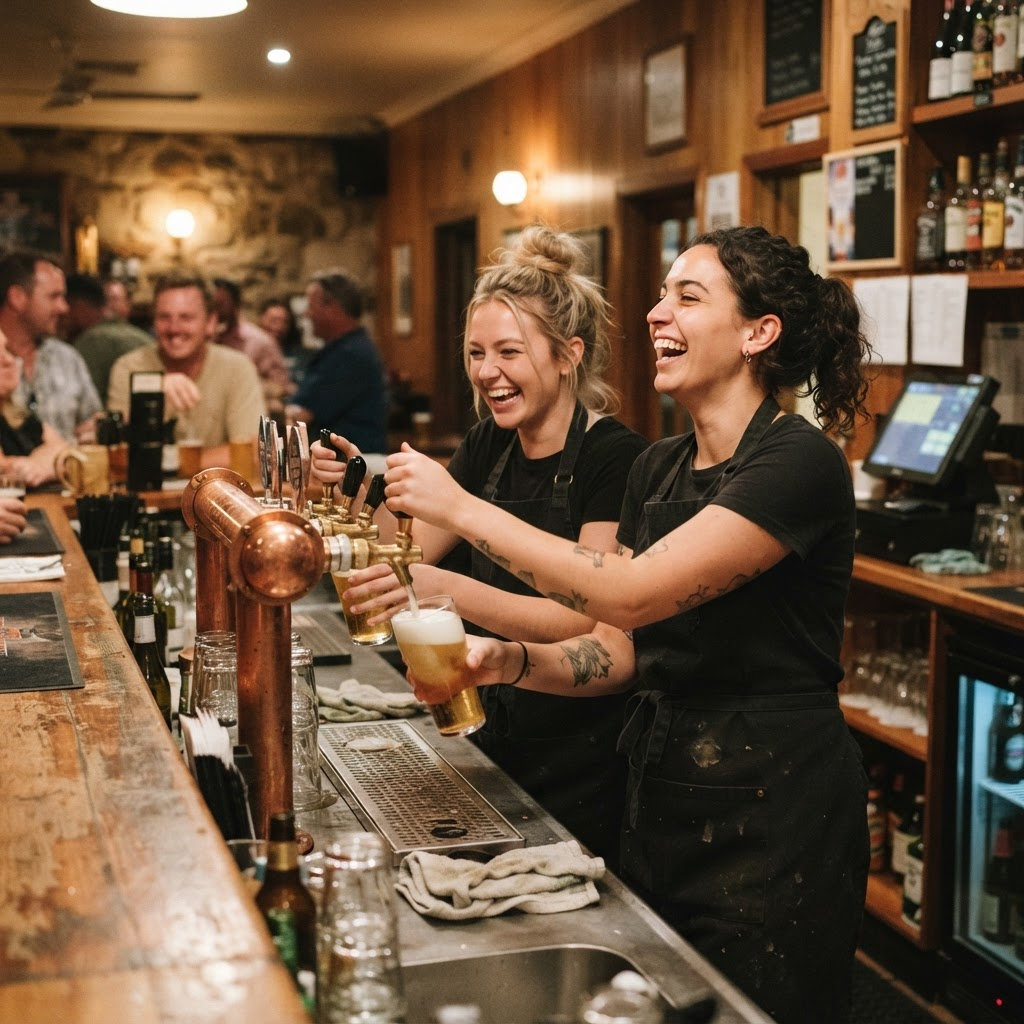
A venue becomes an institution through repetition. The same bartender remembering the same order. The same Friday raffle. The same corner table held for the same group. None of it appears in a valuation, and all of it is the reason the venue trades.
The character of a venue is an asset. It is also the easiest thing to accidentally destroy.
What careless ownership looks like
Usually it is not dramatic. A refurbishment that strips the room of its texture. A menu written for a different suburb. A price list that quietly tells the regulars they are no longer the point. The trade does not collapse — it drifts, and by the time anyone notices, the habit has been broken.
A better default
Our default is to change slowly and explain why. Fix the things that were overdue — the toilets, the cool room, the roster, the kitchen. Leave the things that people would miss. Ask the team before assuming, because they already know.
Community
All stories